


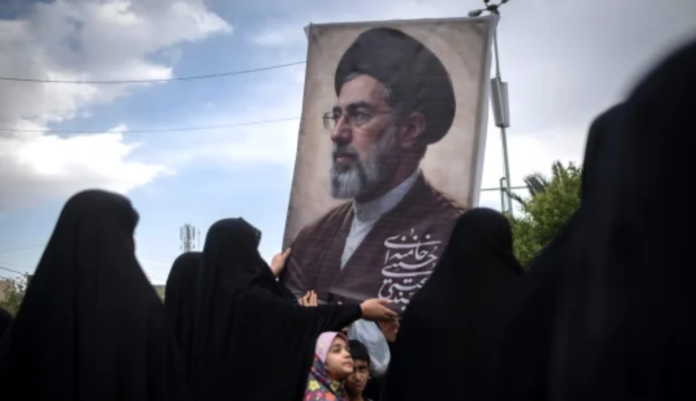
Iran is preparing to hold a memorial ceremony in honor of its slain former Supreme Leader, Ayatollah Ali Khamenei, with the country’s current Supreme Leader, Mojtaba Khamenei, expected to lead the event. The ceremony comes at a crucial time for the Islamic Republic as it continues to navigate political change, regional tensions, and growing international attention following recent conflicts in the Middle East.
A Ceremony That Goes Beyond Remembrance
Although the memorial is a religious observance dedicated to honoring the late leader, it also carries significant political importance. Such events often serve as a platform for the country’s leadership to reaffirm national unity, strengthen public confidence, and demonstrate that state institutions remain stable during times of uncertainty.
For Iran, the ceremony represents an opportunity to showcase continuity in governance while paying tribute to a leader who shaped the nation’s political and religious landscape for decades.
A Defining Public Appearance for the New Supreme Leader
The memorial is expected to be one of the most significant public appearances by Supreme Leader Mojtaba Khamenei since assuming the country’s highest leadership position. His role in the ceremony is likely to attract close attention from both domestic audiences and the international community.
Political analysts believe the event could help reinforce his authority and signal that Iran’s leadership transition is progressing smoothly. His presence is expected to project confidence and stability during a period marked by regional uncertainty.
Strengthening National Unity
Large state memorials in Iran often serve a dual purpose—honoring influential leaders while bringing together political figures, religious scholars, military officials, and citizens under a common national message.
The ceremony is expected to emphasize resilience, unity, and the country’s determination to remain steadfast despite external pressures and recent geopolitical challenges.
Regional and Global Significance
The memorial is likely to be watched closely by governments and observers around the world. Given the current geopolitical climate, every public appearance by Iran’s top leadership is viewed as an indicator of the country’s political direction and strategic priorities.
The event may also provide insights into Iran’s future diplomatic and security policies, especially if senior officials deliver speeches addressing regional developments, foreign relations, or national security.
A Symbol of Leadership and Continuity
Beyond its religious significance, the memorial ceremony symbolizes the continuity of Iran’s political system during a period of leadership transition. It reflects the government’s efforts to maintain institutional stability while honoring the legacy of one of the country’s most influential figures.
As regional tensions continue to shape Middle Eastern politics, the ceremony is expected to serve as both a tribute to the past and a statement about Iran’s future. The event is likely to remain a focal point for political analysts seeking clues about the country’s leadership, domestic priorities, and role in the evolving geopolitical landscape.

