


India Used Food Diplomacy to Welcome Vietnam President To Lam
When world leaders visit India, diplomacy does not happen only through meetings and agreements. It also unfolds at the dining table.
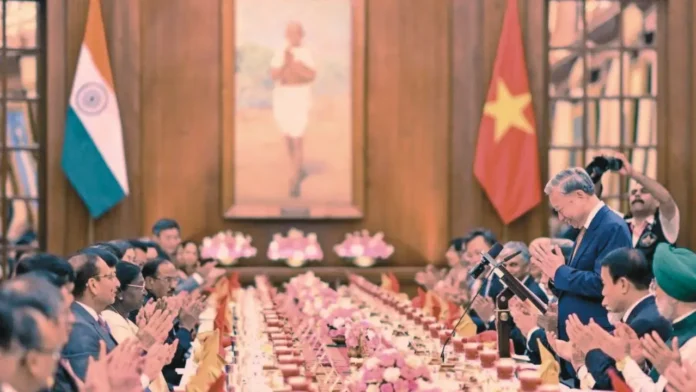
During Vietnamese President To Lam’s state visit to India, President Droupadi Murmu hosted a formal banquet at Rashtrapati Bhavan that reflected the country’s cultural depth through food. Instead of serving a generic luxury spread, the menu reportedly highlighted regional Indian cuisines, especially dishes inspired by Bihar and Maharashtra.
The decision carried symbolic weight. It presented India not just as a political power, but as a civilisation with diverse culinary traditions deeply connected to history, geography, and local identity.
At a time when cultural diplomacy plays a larger role in international relations, the banquet became more than an official dinner. It became a carefully curated experience.
On May 6, 2026, President Droupadi Murmu hosted a grand state banquet at Rashtrapati Bhavan in honour of Vietnamese President To Lam. The evening was not just a diplomatic gathering. It was also a celebration of India’s regional food heritage and agricultural diversity.
The specially curated menu showcased signature delicacies and farm products from Bihar and Maharashtra, reflecting India’s growing focus on cultural diplomacy through cuisine.
Why State Banquets Matter in Diplomacy
State banquets at Rashtrapati Bhavan follow a long diplomatic tradition. Every dish, ingredient, and presentation detail carries meaning.
India often uses these dinners to introduce visiting leaders to regional cuisines and local traditions. In many ways, the menu acts like a cultural map of the country.
This approach helps create warmth during high-level diplomatic visits. Food naturally opens conversations. It creates familiarity and leaves a lasting impression.
For President To Lam’s visit, the inclusion of Bihari and Maharashtrian specialities reflected India’s effort to move beyond stereotypical representations of Indian cuisine.
Instead of focusing only on globally popular dishes, the banquet highlighted regional depth and authenticity.
Bihar’s Cuisine Finds Space on the Diplomatic Table
Bihari cuisine rarely receives the international spotlight despite its rich culinary heritage. However, this banquet changed that narrative.
Traditional flavours from Bihar reportedly formed an important part of the dinner experience. The cuisine of the state stands out for its earthy spices, slow cooking techniques, and simple yet deeply satisfying flavours.
Many traditional Bihari dishes rely on roasted gram flour, mustard oil, smoked ingredients, and seasonal vegetables. The food often feels rustic, balanced, and closely tied to agricultural traditions.
By featuring Bihar-inspired dishes at Rashtrapati Bhavan, India quietly acknowledged the cultural importance of eastern India on a global diplomatic stage.
The move also reflected a larger shift in how Indian regional cuisines are now gaining national recognition.
Bihar’s Traditional Flavours Took Centre Stage
The banquet highlighted several iconic dishes and agricultural products from Bihar, many of which carry deep cultural and historical significance.
Guests were served Silao Khaja, the famous GI-tagged layered sweet from Nalanda district known for its crisp texture and delicate sweetness. Another major highlight was Gaya Anarsa, a traditional dessert prepared using rice flour, jaggery, and sesame seeds.
The menu also featured Mithila Makhana, or fox nuts, which have become globally recognised as a nutritious superfood from Bihar’s Mithila region. Alongside these was the celebrated Hajipur Malbhog Banana, known for its rich flavour and soft texture.
Through these selections, Rashtrapati Bhavan showcased Bihar’s artisanal food traditions on an international diplomatic platform.
Maharashtra Added Royal and Coastal Flavours to the Evening
Alongside Bihar, the banquet reportedly featured Maharashtrian culinary elements known for their bold spices and festive richness.
Maharashtrian cuisine varies dramatically across regions. Coastal areas bring coconut, seafood influences, and tangy flavours, while interior regions focus more on millet breads, lentils, and spice-heavy curries.
At diplomatic banquets, chefs often adapt these regional traditions into refined fine-dining presentations without losing authenticity.
The inclusion of Maharashtrian dishes added colour and variety to the overall menu. It also highlighted Western India’s strong culinary identity.
Importantly, these choices showed how Indian diplomacy increasingly celebrates regional representation rather than presenting the country through a single culinary lens.
Maharashtra Added Premium Fruits and Millet-Based Delicacies
From Maharashtra, the banquet reportedly featured the world-famous Ratnagiri Alphonso Mango, popularly known as Hapus. Known for its aroma, sweetness, and premium quality, the Alphonso mango remains one of India’s most iconic fruit exports.
The state’s growing millet culture also found representation through specially prepared Millet Bars, inspired by traditional grains cultivated in regions like Solapur and Marathwada.
The inclusion of millet-based items also aligned with India’s larger push toward sustainable and nutritious food systems.
Rashtrapati Bhavan’s Culinary Philosophy Has Changed
Over the years, Rashtrapati Bhavan has gradually transformed the idea of official state dining.
Earlier, diplomatic menus often leaned heavily toward continental influences. Today, there is a stronger emphasis on Indian ingredients, indigenous grains, traditional recipes, and regional storytelling.
This shift aligns with India’s broader cultural positioning on the global stage. The country now actively promotes local textiles, handicrafts, Ayurveda, yoga, and regional cuisines as part of its soft power strategy.
The state banquet for President To Lam reflected that same philosophy.
The meal reportedly included traditional breads, lentil preparations, seasonal vegetables, Indian desserts, and regional flavour combinations designed to showcase balance rather than excess.
Even the presentation style reportedly focused on elegance rooted in Indian hospitality traditions.
Food Has Become an Important Tool of Modern Diplomacy
Across the world, nations increasingly use cuisine as a diplomatic tool. India is no exception.
Meals served during state visits often communicate ideas without words. They showcase history, hospitality, agricultural diversity, and cultural confidence.
India’s decision to spotlight Bihar and Maharashtra during President To Lam’s visit carried both emotional and strategic significance.
Vietnam shares strong agricultural and cultural connections with India. Both countries value traditional food systems, rice-based cuisines, and community-driven culinary traditions.
Because of this, the banquet likely created a deeper cultural connection beyond formal diplomacy.
India-Vietnam Relations Continue to Grow Stronger
President To Lam’s visit came at a time when India and Vietnam continue to deepen strategic ties across trade, defence, technology, and regional security.
However, diplomatic relationships strengthen not only through official agreements but also through personal engagement and cultural respect.
That is where events like state banquets become important.
The carefully curated dinner hosted by President Murmu reflected India’s intention to welcome Vietnam not just as a strategic partner, but as a valued friend.
And through every regional dish served at Rashtrapati Bhavan, India quietly told its own story — one of diversity, heritage, warmth, and cultural pride.
More Than a Dinner, It Was a Cultural Statement
The banquet for President To Lam was not designed merely to impress guests with luxury. Instead, it celebrated India’s regional identity through thoughtful food choices.
By bringing Bihar and Maharashtra to the diplomatic table, Rashtrapati Bhavan highlighted an important truth about modern India — its strength lies in its diversity.
From traditional flavours to refined presentation, the evening demonstrated how food can build bridges more effectively than formal speeches.
And in today’s world of global diplomacy, that human connection matters more than ever.

